My must have kit!
Following on from the last post, what are the must have items of camera equipment?
Well as everybody wants different things from their camera, their needs for extra equipment will differ, so I will run through some suggested pieces of kit, starting with what I think is a must have item.
The camera bag
The first thing I would buy is a decent camera case, your camera will do you no good at home or if it is out with you and broken, so a good camera bag will protect it when ever the camera is not in your hands.
Cases fall into two types, the first just holds the camera and maybe some small accessories, the second will hold the camera and, depending on its size, any extra equipment you may have. The first type of bag will suit most people’s needs as it is small and easy to carry, so it won’t be left at home and you will get more use out of your camera. I have one of these for my compact camera, it’s made by Lowepro and it fits just the camera, a spare memory card and a spare battery. For my SLR I have a similar case made by Camera Care Systems, this one holds the camera and a lens along with a spare lens, spare SD memory card and battery. When choosing this type of bag don’t be tempted to make it too big as you will only fill it with stuff and then not want to carry it around.
The second type of bag is normally associated with SLR cameras, and is designed to hold your whole system, what ever size that maybe. The governing factor here is what kit you have and what you may want to take out with you. My bag of choice here is a Billingham, well designed and made to last for years, they come in a range of sizes and can be adjusted to carry your kit in a very secure way. My main bag can carry 2 SLR bodies, around 5 lenses, a flash gun and a collection of filters and leads. The only problem with this is once it’s full I cannot carry it for any distance. With these types of bag you are looking for protection and longevity, so plan what kit you will need to carry, taking in to account what items you may buy in the future as well. Also think where the bag is going and what sort of conditions it might face, a soft bag like a Billingham is fine for most conditions, but if you are looking to spend your time photographing on or around water, then a fully water proof case could well be a good idea.
Wednesday, May 27, 2009


Thursday, May 14, 2009
Lesson 8, Buying a camera (or confessions of a camera salesman)
A bit of a different lesson this one, not about taking pictures but how to acquire the equipment to allow you to do so. I spent over 4 years selling camera equipment and have also spent nearly 20 years buying it, so here are my hints and tips.
Research, research, research. What ever you are after, be it a £1000 camera or a £5 filter, check it will meet your needs, it might be the best in its class, but if it does not do what you need it to you have wasted your money. The first thing I do is type the items name into Google and see if it has any reviews done by real people in forums or on hobby sites. Then I check for the best price and if I don’t known the company that’s offering the best price I check them as well.
Let’s look at buying the main item, the camera. For most people this is a large expenditure on something that is really not vital to life, regardless of the type or the cost it is normally a big event for your pocket, so every effort to save funds and get the most out of the experience is valid.
Research
You have found the model you want and it meets your needs, then just as you are about to make the plunge and they bring out a newer model. This will happen 9 times out of 10, cameras are always changing. Check the new one out, but remember that it will normally be more expensive and that the old one, that did meet your needs just a short time ago, will probably come down in price.
Price
Once you know what you want check for the best price, then see if a local camera store will match that price (the best deals are normally on the net as the sellers have very low over heads). Why bother with a local camera store, well it has many advantages over an online purchase, the main ones being a close point of contact in case of problems and the lower risk of dodgy stock (camera manufactures sometime market different models in different areas, so a camera destined for the USA but sold in the UK may not be covered by the makers guarantee)
The transaction
If you decide to buy from a shop the main thing to bear in mind is that the profit is not in the camera, the money is normally made on the add-ons. Online check the dealers returns policy and that they confirm that the camera comes with the manufactures guarantee.
Extended guarantees
Sales pitch; the maker only expects the camera to last a year, hence the one year guarantee offered by them, and camera repairs are very expensive. So we can extend that guarantee by X number of years, just for your peace of mind.
Facts; if you have done your research you will not be buying something that only lasts a year. Most extended covers are as complex as a Middle East peace treaty and as likely to work; a lot of what is covered may already be covered by your home insurance, if not try a specialist camera policy that will cover your whole kit and not one bit.
Batteries and memory cards
Sales pitch, the maker only gives you a small battery and memory card, you will need to buy more and the only ones recommended are those by the maker.
Facts, True, but only so you will spend more money, an example Nikon EN-EL3e £35.55, non manufactures battery of the same fit £11.59. Nikon don’t recommend that you use a non standard battery, even saying that it could damage your camera and void the guarantee. Research the issue on the net, there are a lot of manufactures of batteries that have very good reputations, and in most cases the cells inside all come from a handful of factories regardless of the name on the box.
Memory cards are a different matter, they are the thing that stores the image and care should be taken we buying them. There are plenty of third party manufactures, Sandisk to name my favourite, but there are lots of copies out there so only buy from a reputable dealer, check the net, a bad card can very quickly turn from a store for your photos, into a guitar pick.
Lens protection filter.
Sales pitch, this is a must have, much better to scratch £20 of filter than £150+ of lens.
Facts; True, but shop around as these things can be a lot cheaper on line.
Tripod
Sales pitch, all the professionals use one, it’s the only way to get really good photos.
Facts, True a lot of pro’s do use them to get really good results, but for one to be any good it has to be strong (read heavy) so will you really want to carry one around with you? Wait for a while and see if you need one.
Camera bag
Sales pitch, well you have just spent loads of money now you will want something to protect it all, we recommend this bag as it’s very good and will leave you lots of room for more kit so you won’t need to by another bag.
Facts, yes you will need a bag, yes it needs to be a good one, but, I have a top end camera bag, all canvas, brass and leather, it fits all my kit and when full I can hardly lift it! So look at what you need to carry and pick a bag that does the job, remember that you will only take good pictures if you have your camera with you, not sat at home inside a large bag you just cannot be bothered to take out with you.
To sum up, research all the kit you will need, including the price. Hit the shop knowing what you need and how much you will be happy to pay. Remember there is very little profit in the camera so the salesman may well do a deal if you are taking more than one item, copies of web pages showing lower prices may help here. You may find that you are paying a bit more than if you brought from different suppliers on the net, but by buying from one local place you have more comeback if any one item fails and as a good customer you should get technical help as and when you need it.
There are tons of extras that you can buy to add to your camera, most are not needed unless you are trying to do a particular type of shot. In the shop I saw day after day people part exchanging one gadget that they had never used, normally at a fraction of its cost, for another that would just take its place in the camera bag, never to be used. As shop staff we had first pick of these trade ins and I fell victim to the same desires, with the result I have a loft full of useless bits of kit, just in case I need them!
Research, research, research. What ever you are after, be it a £1000 camera or a £5 filter, check it will meet your needs, it might be the best in its class, but if it does not do what you need it to you have wasted your money. The first thing I do is type the items name into Google and see if it has any reviews done by real people in forums or on hobby sites. Then I check for the best price and if I don’t known the company that’s offering the best price I check them as well.
Let’s look at buying the main item, the camera. For most people this is a large expenditure on something that is really not vital to life, regardless of the type or the cost it is normally a big event for your pocket, so every effort to save funds and get the most out of the experience is valid.
Research
You have found the model you want and it meets your needs, then just as you are about to make the plunge and they bring out a newer model. This will happen 9 times out of 10, cameras are always changing. Check the new one out, but remember that it will normally be more expensive and that the old one, that did meet your needs just a short time ago, will probably come down in price.
Price
Once you know what you want check for the best price, then see if a local camera store will match that price (the best deals are normally on the net as the sellers have very low over heads). Why bother with a local camera store, well it has many advantages over an online purchase, the main ones being a close point of contact in case of problems and the lower risk of dodgy stock (camera manufactures sometime market different models in different areas, so a camera destined for the USA but sold in the UK may not be covered by the makers guarantee)
The transaction
If you decide to buy from a shop the main thing to bear in mind is that the profit is not in the camera, the money is normally made on the add-ons. Online check the dealers returns policy and that they confirm that the camera comes with the manufactures guarantee.
Extended guarantees
Sales pitch; the maker only expects the camera to last a year, hence the one year guarantee offered by them, and camera repairs are very expensive. So we can extend that guarantee by X number of years, just for your peace of mind.
Facts; if you have done your research you will not be buying something that only lasts a year. Most extended covers are as complex as a Middle East peace treaty and as likely to work; a lot of what is covered may already be covered by your home insurance, if not try a specialist camera policy that will cover your whole kit and not one bit.
Batteries and memory cards
Sales pitch, the maker only gives you a small battery and memory card, you will need to buy more and the only ones recommended are those by the maker.
Facts, True, but only so you will spend more money, an example Nikon EN-EL3e £35.55, non manufactures battery of the same fit £11.59. Nikon don’t recommend that you use a non standard battery, even saying that it could damage your camera and void the guarantee. Research the issue on the net, there are a lot of manufactures of batteries that have very good reputations, and in most cases the cells inside all come from a handful of factories regardless of the name on the box.
Memory cards are a different matter, they are the thing that stores the image and care should be taken we buying them. There are plenty of third party manufactures, Sandisk to name my favourite, but there are lots of copies out there so only buy from a reputable dealer, check the net, a bad card can very quickly turn from a store for your photos, into a guitar pick.
Lens protection filter.
Sales pitch, this is a must have, much better to scratch £20 of filter than £150+ of lens.
Facts; True, but shop around as these things can be a lot cheaper on line.
Tripod
Sales pitch, all the professionals use one, it’s the only way to get really good photos.
Facts, True a lot of pro’s do use them to get really good results, but for one to be any good it has to be strong (read heavy) so will you really want to carry one around with you? Wait for a while and see if you need one.
Camera bag
Sales pitch, well you have just spent loads of money now you will want something to protect it all, we recommend this bag as it’s very good and will leave you lots of room for more kit so you won’t need to by another bag.
Facts, yes you will need a bag, yes it needs to be a good one, but, I have a top end camera bag, all canvas, brass and leather, it fits all my kit and when full I can hardly lift it! So look at what you need to carry and pick a bag that does the job, remember that you will only take good pictures if you have your camera with you, not sat at home inside a large bag you just cannot be bothered to take out with you.
To sum up, research all the kit you will need, including the price. Hit the shop knowing what you need and how much you will be happy to pay. Remember there is very little profit in the camera so the salesman may well do a deal if you are taking more than one item, copies of web pages showing lower prices may help here. You may find that you are paying a bit more than if you brought from different suppliers on the net, but by buying from one local place you have more comeback if any one item fails and as a good customer you should get technical help as and when you need it.
There are tons of extras that you can buy to add to your camera, most are not needed unless you are trying to do a particular type of shot. In the shop I saw day after day people part exchanging one gadget that they had never used, normally at a fraction of its cost, for another that would just take its place in the camera bag, never to be used. As shop staff we had first pick of these trade ins and I fell victim to the same desires, with the result I have a loft full of useless bits of kit, just in case I need them!
Tuesday, April 14, 2009
Lesson 7 Composition part 2
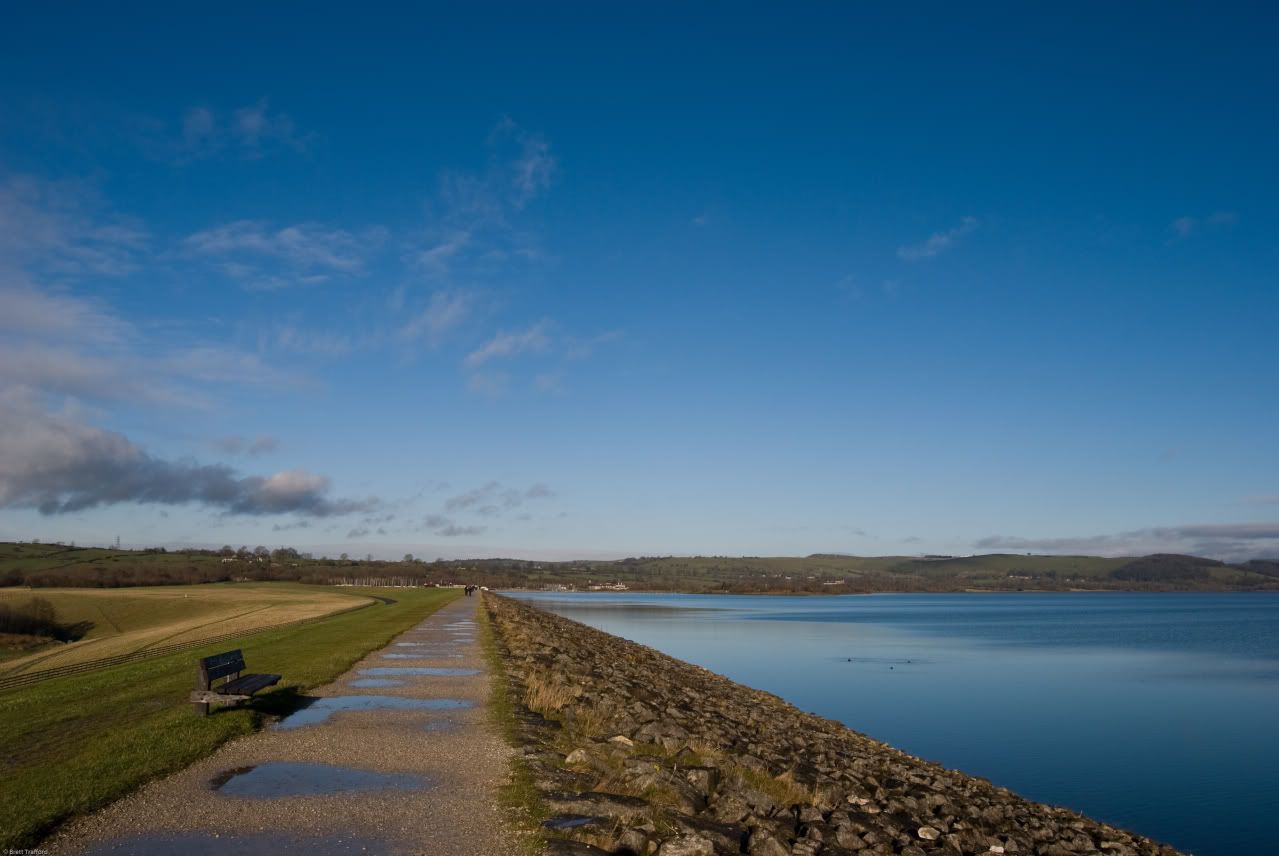
Then next compositional trick, if your audience is finding the rule of thirds too subtle, is using converging line. This is the photographer’s way of pointing to the important part, and basically saying
“This is the bit I want you to look at, stupid!”

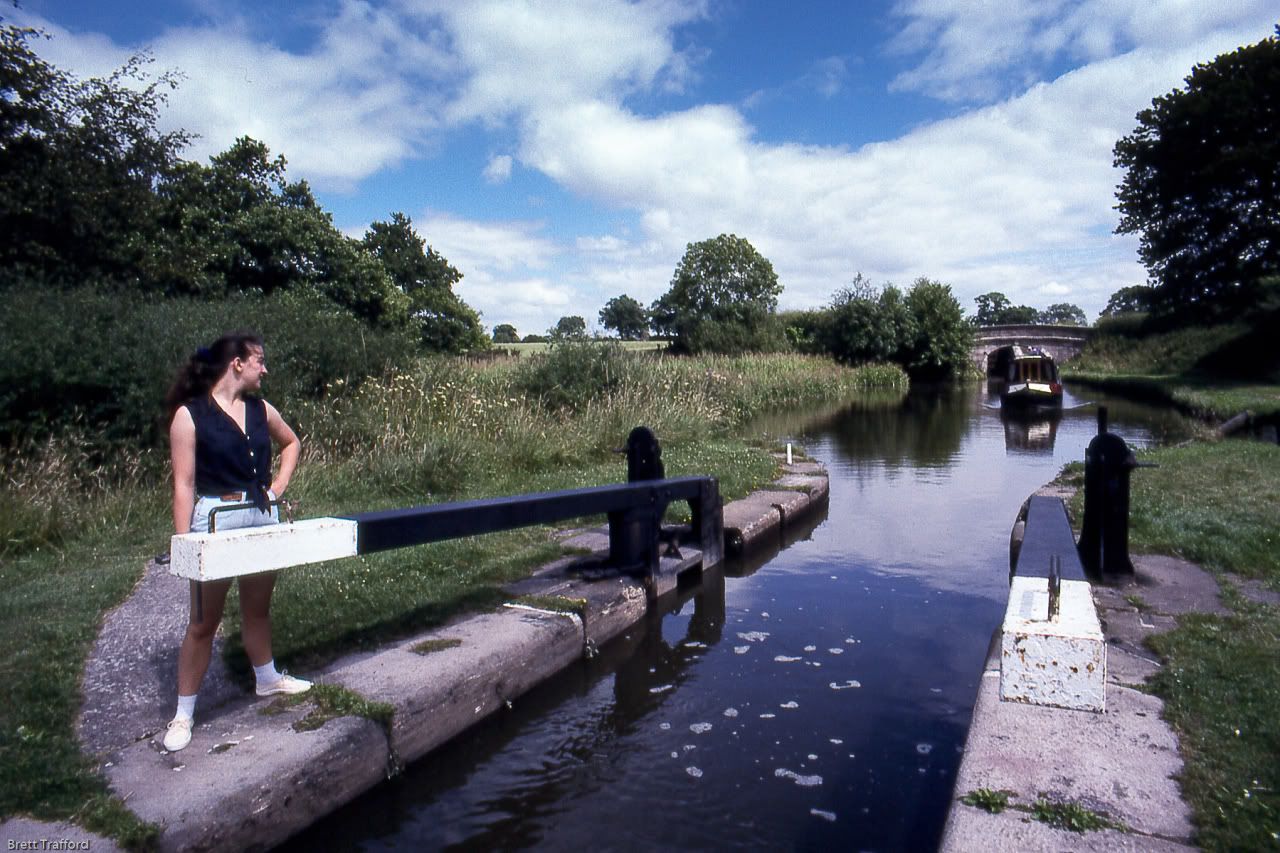
This works very well on landscapes giving very strong images which end up with a very graphic feel. The converging lines can be made up of anything from paths to roads or lakesides to streams, even man made structures like the lock gate in this picture ( a more subtle trick in this shot is the fact that the girl is looking at the point of interest, most people will look at what she is looking at).

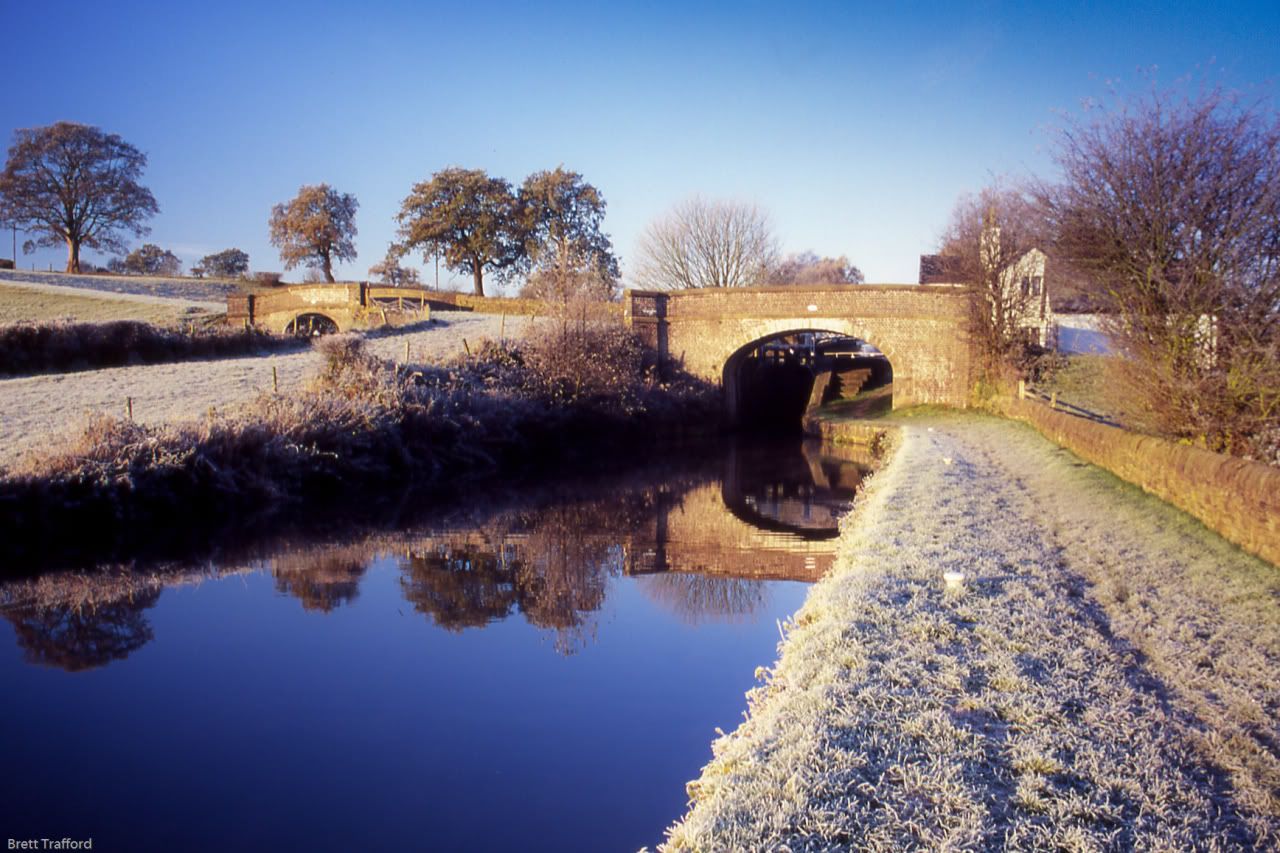
Couple this technique with the rule of thirds and you can make sure people look at your image the way you want them to.

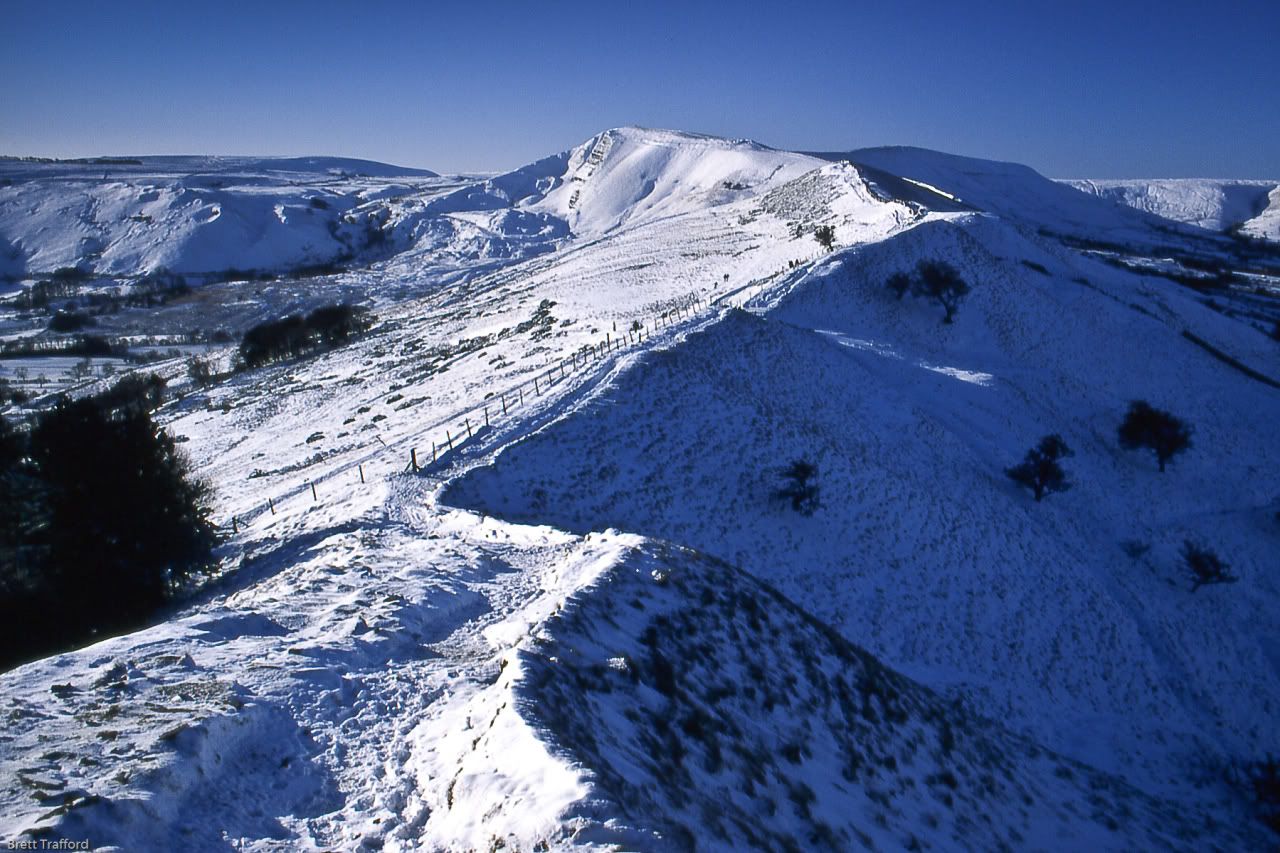
Going along the same theme is the trick of using just one line to lead people to the main point of interest, and the line does not have to be straight, in fact in this case a wavy line can make the image a lot more interesting.

“This is the bit I want you to look at, stupid!”
This works very well on landscapes giving very strong images which end up with a very graphic feel. The converging lines can be made up of anything from paths to roads or lakesides to streams, even man made structures like the lock gate in this picture ( a more subtle trick in this shot is the fact that the girl is looking at the point of interest, most people will look at what she is looking at).
Couple this technique with the rule of thirds and you can make sure people look at your image the way you want them to.
Going along the same theme is the trick of using just one line to lead people to the main point of interest, and the line does not have to be straight, in fact in this case a wavy line can make the image a lot more interesting.
Wednesday, March 11, 2009
Lesson 6 Composition
Over the past few lessons we have looked at the technical aspects of the camera, now we get to the more interesting part, taking pictures. The first bit to cover is composition; this is how you arrange the subject in the frame and the reason why you need to do that.
Your eye is a fantastic optical device, far better than any lens; it’s backed up by your brain, the most powerful computer on the planet. Working in combination they provide a unique window on the world, but a window that is molded by your interest in the subject in view. On the other hand your camera sees the scenes as light bouncing off objects, it gives no priority to any particular item in view, which means that the photograph has an objectivity all of its own. This is why when you see your photos they don’t match your memory of the event and why what looked like a great photo of your partner, now looks like there’s a tree growing out of their head.
This difference is one of the reasons why photography is so challenging as it makes you look at the world in totally different way, you will often hear it being referred to as “having a good eye for a photo”. Learning the basics of composition is the first step in developing this eye and the first compositional trick is the rule of thirds.

“The rule states that an image should be imagined as divided into nine equal parts by two equally-spaced horizontal lines and two equally-spaced vertical lines; and that important compositional elements (the leaf above) should be placed along these lines or their intersections (i call these hot spots)”
Once you start looking for this rule in use, you will see it every where, from films to TV, post cards to paintings. It’s the universal trick to making an image work, but why do you need to. Well as we have seen the camera does not give priority to any part of the image, so by putting the item that you deem important on a spot that will attract the most attention, you then start to replicate how your eye saw the image, making the finished photo a projection of what was in your mind when you took it.

In this shot the smallest item, the snowball, takes the attention as it sits on the junction of 2 dividing lines, with out this placement it would be lost as would the meaning of the picture. In real life, regardless of where it was, the snowball had my full attention.

The hot spot here is around where the hands join, here it just helps to reinforce the image.

With this image both the top of the paw and the cats face fall on hot spots, using the limited depth of focus helps highlight which hot spot is the important one
Your eye is a fantastic optical device, far better than any lens; it’s backed up by your brain, the most powerful computer on the planet. Working in combination they provide a unique window on the world, but a window that is molded by your interest in the subject in view. On the other hand your camera sees the scenes as light bouncing off objects, it gives no priority to any particular item in view, which means that the photograph has an objectivity all of its own. This is why when you see your photos they don’t match your memory of the event and why what looked like a great photo of your partner, now looks like there’s a tree growing out of their head.
This difference is one of the reasons why photography is so challenging as it makes you look at the world in totally different way, you will often hear it being referred to as “having a good eye for a photo”. Learning the basics of composition is the first step in developing this eye and the first compositional trick is the rule of thirds.
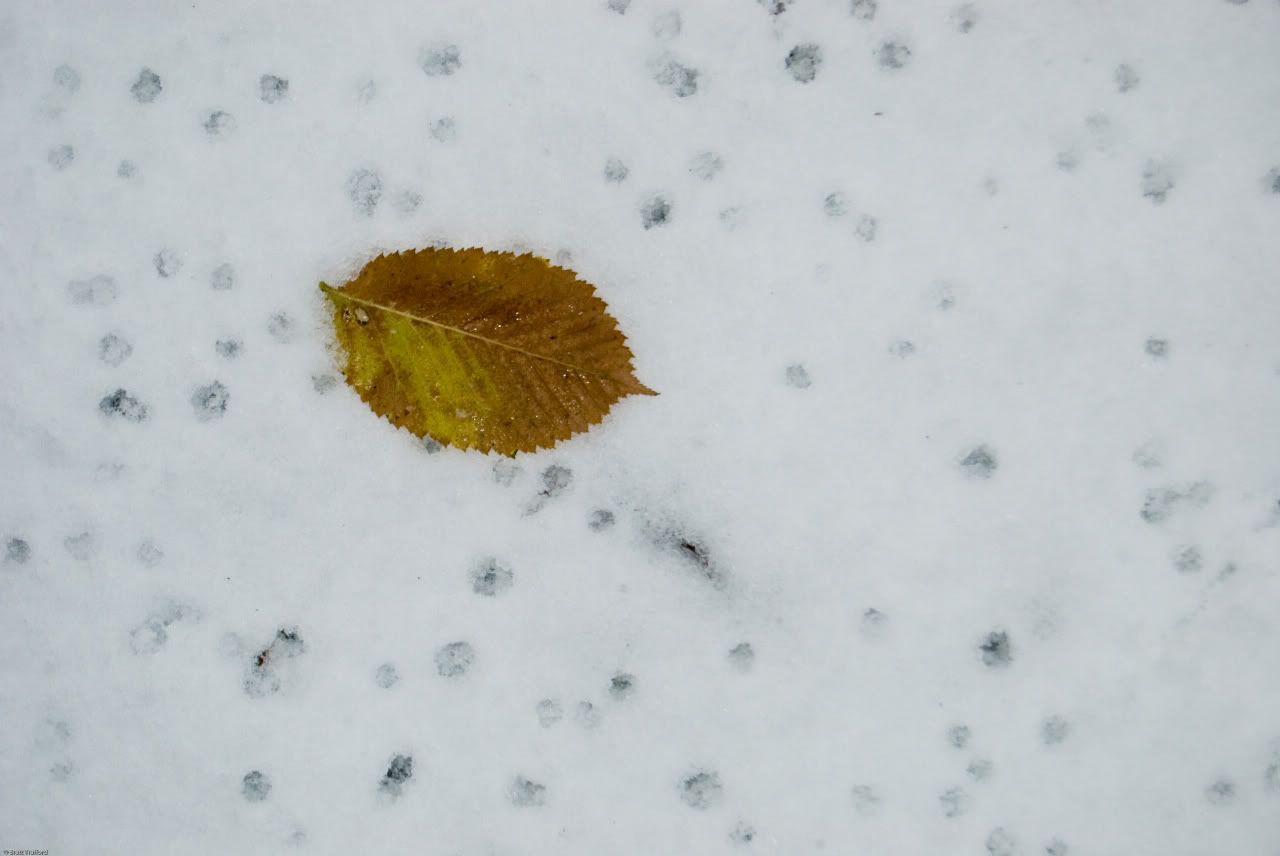
“The rule states that an image should be imagined as divided into nine equal parts by two equally-spaced horizontal lines and two equally-spaced vertical lines; and that important compositional elements (the leaf above) should be placed along these lines or their intersections (i call these hot spots)”
Once you start looking for this rule in use, you will see it every where, from films to TV, post cards to paintings. It’s the universal trick to making an image work, but why do you need to. Well as we have seen the camera does not give priority to any part of the image, so by putting the item that you deem important on a spot that will attract the most attention, you then start to replicate how your eye saw the image, making the finished photo a projection of what was in your mind when you took it.
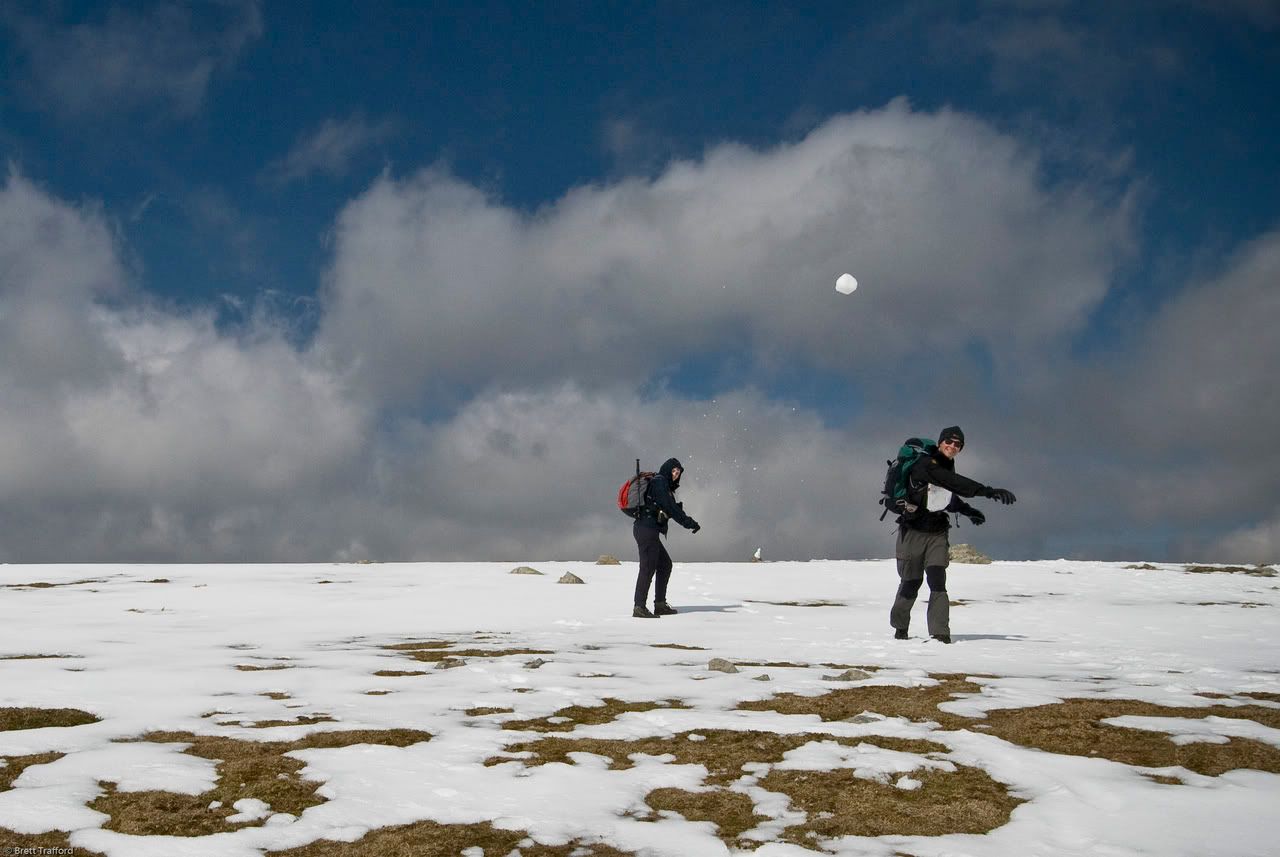
In this shot the smallest item, the snowball, takes the attention as it sits on the junction of 2 dividing lines, with out this placement it would be lost as would the meaning of the picture. In real life, regardless of where it was, the snowball had my full attention.
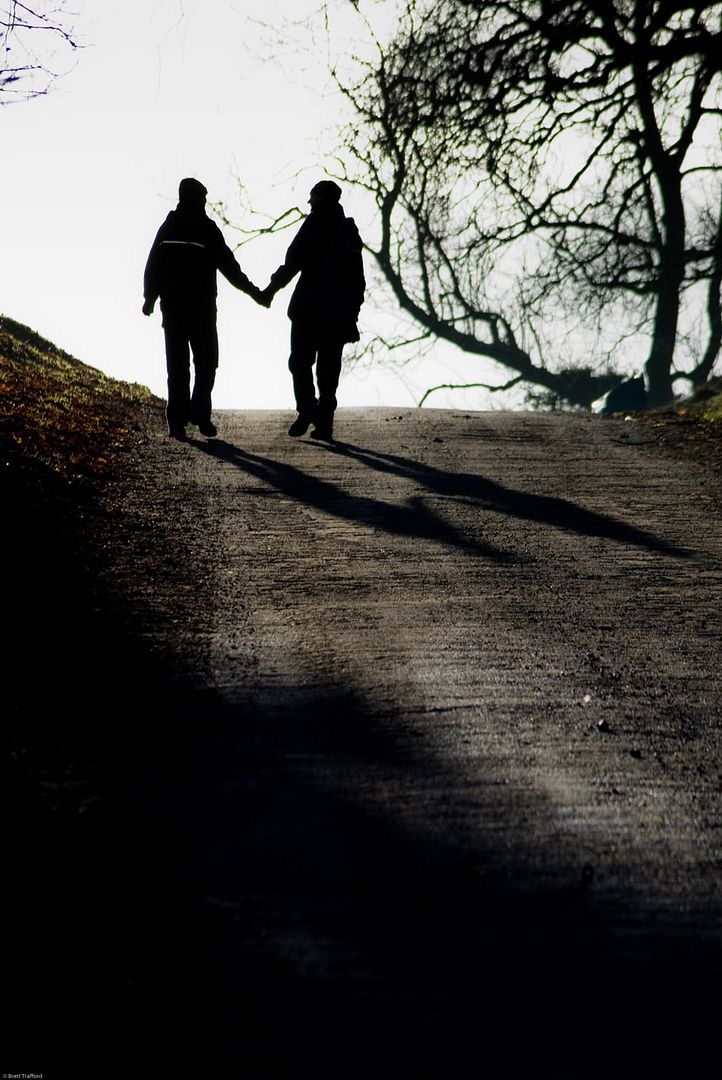
The hot spot here is around where the hands join, here it just helps to reinforce the image.

With this image both the top of the paw and the cats face fall on hot spots, using the limited depth of focus helps highlight which hot spot is the important one
Subscribe to:
Posts (Atom)